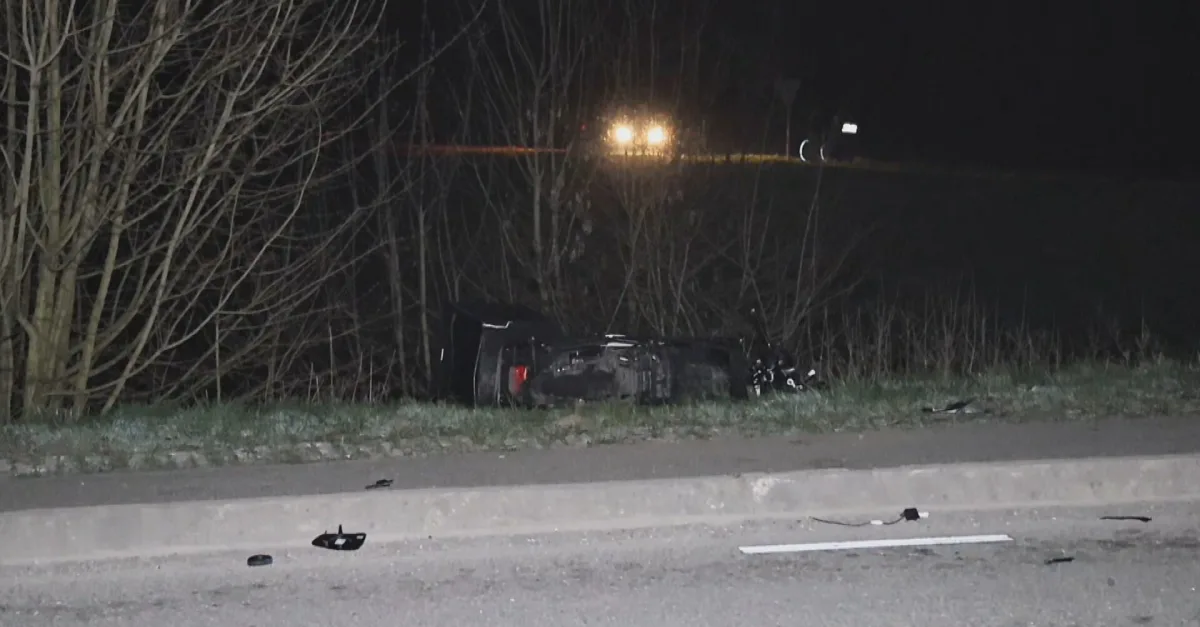
The Tragic Reality of Road Accidents: Focusing on Dodelijk Ongeval Druten
The somber news of a dodelijk ongeval Druten – a fatal accident in Druten – has once again cast a shadow over local communities, reminding us of the devastating impact such incidents have on individuals, families, and society as a whole. While specific details surrounding the Druten incident, which tragically led to the death of a young woman following a collision with a car, are often held with the utmost respect for privacy and ongoing investigations, the broader implications resonate deeply. Every fatal collision serves as a stark reminder of the inherent risks on our roads and the urgent need for heightened vigilance and collective responsibility. These events, whether in bustling urban centers or quieter rural routes, invariably trigger a cascade of consequences, from immediate emergency responses and complex investigations to profound emotional distress for all involved.
Understanding the ripple effect of such tragedies is crucial. Beyond the immediate loss of life and severe injuries, a dodelijk ongeval Druten, or any similar incident, sends shockwaves through local infrastructure, emergency services, and the public psyche. The memory of such events often lingers, influencing perceptions of road safety and prompting renewed calls for preventative measures. It underscores the fragility of life and the critical importance of every decision made behind the wheel.
Immediate Aftermath and Public Impact: Lessons from Recent Incidents
When a fatal accident occurs, the immediate aftermath is characterized by a rapid and coordinated response from emergency services. Police, paramedics, and fire departments converge on the scene, prioritizing the care of the injured, securing the area, and initiating the preliminary investigation. The practical consequences for the public, however, can be substantial and far-reaching. Roads are often closed for extended periods to facilitate rescue operations, forensic examination, and vehicle recovery. These closures, while absolutely necessary, inevitably lead to significant disruptions, affecting daily commutes, local businesses, and regional traffic flow.
We've seen this play out in various incidents, such as the recent severe disruption on the A9 near Badhoevedorp. Following a fatal accident involving a passenger car and a truck, which regrettably claimed one life and caused multiple injuries, key sections of the motorway remained closed for many hours. This led to considerable traffic jams on surrounding roads and required drivers to seek alternative routes, with advice for traffic heading towards Utrecht often suggesting diversions via the A5 towards Zaandam. This serves as a clear illustration of how a single serious collision can impact an entire region's transport network. Similarly, any dodelijk ongeval Druten would necessitate comparable measures, causing local diversions and potentially impacting travel within the municipality and its environs.
Authorities like Rijkswaterstaat play a critical role in managing these situations, providing real-time updates and advising motorists. However, the unexpected nature of accidents means that even with the best planning, significant delays are often unavoidable. The public's patience and cooperation during these challenging times are invaluable, allowing emergency personnel to carry out their vital work without further hindrance. For more context on the ongoing challenges following such events, you might find it insightful to read our related coverage: Dodelijk Ongeval Druten - Article 1.
Understanding the Complexities of Accident Investigations
Following a fatal incident like the dodelijk ongeval Druten, a thorough and meticulous investigation is paramount. The goal is to reconstruct the events leading up to the collision, identify contributing factors, and, if applicable, determine culpability. This is a multi-faceted process involving several specialized teams:
- Traffic Accident Analysis Team (VOA): These experts from the police force meticulously examine the scene. They collect physical evidence such as skid marks, debris, vehicle damage, and road conditions. They also document the position of vehicles and victims, using advanced techniques like 3D scanning and drone photography.
- Forensic Investigators: In cases of fatalities or severe injuries, forensic teams may be involved to gather further evidence, especially if criminal charges are a possibility.
- Witness Statements: Eyewitness accounts are crucial. Police interview anyone who may have seen the accident unfold, as their perspectives can provide valuable insights.
- Vehicle Examination: Involved vehicles are often impounded and subjected to technical inspection to check for mechanical defects or malfunctions that might have contributed to the accident.
- CCTV and Dashcam Footage: Increasingly, surveillance cameras from nearby businesses or private dashcams offer critical visual evidence that can help clarify the sequence of events.
The investigation aims to uncover factors such as speed, driver distraction (e.g., mobile phone use), alcohol or drug impairment, fatigue, road conditions, vehicle defects, and adherence to traffic rules. This comprehensive approach is essential not only for legal proceedings but also for informing future road safety initiatives. The insights gained from each incident contribute to a broader understanding of accident prevention, striving to reduce the occurrence of another dodelijk ongeval Druten or elsewhere.
Prioritizing Road Safety: Preventing Future Tragedies
While investigations focus on understanding what happened, the ultimate goal for society must be to prevent such tragedies from recurring. Road safety is a shared responsibility, requiring vigilance from every road user. Here are some critical areas where preventative measures can make a significant difference:
Driver Behavior and Awareness
- Adhere to Speed Limits: Speed is a major contributing factor in severe accidents. Driving within the posted limits, and adjusting speed to road and weather conditions, significantly reduces the risk and severity of collisions.
- Avoid Distracted Driving: Mobile phone use, eating, or engaging in conversations that take attention away from the road are dangerous. A moment's lapse can have irreversible consequences.
- Never Drive Under the Influence: Alcohol and drugs impair judgment, reaction time, and coordination, making driving extremely hazardous.
- Combat Driver Fatigue: Long journeys or insufficient rest can lead to micro-sleeps or reduced alertness. Take regular breaks and pull over if feeling tired.
- Maintain Safe Following Distances: Adequate space between vehicles allows for sufficient reaction time to unexpected braking or sudden stops.
Vehicle Maintenance and Technology
- Regular Vehicle Checks: Ensuring tires are properly inflated and have adequate tread, brakes are functioning correctly, and lights are in working order are fundamental safety checks.
- Utilize Safety Features: Modern vehicles come equipped with advanced safety features like ABS, ESP, adaptive cruise control, lane-keeping assist, and automatic emergency braking. Understanding and utilizing these technologies can prevent accidents.
Infrastructure and Policy
- Road Design: Ongoing improvements in road design, including better signage, lighting, clear lane markings, and separate bike paths, contribute significantly to safety.
- Traffic Enforcement: Consistent enforcement of traffic laws acts as a deterrent against dangerous driving behaviors.
- Public Awareness Campaigns: Regular campaigns highlighting the dangers of speeding, drunk driving, and distracted driving are vital in shaping public behavior.
Every effort to enhance road safety, from individual actions to large-scale policy changes, helps to reduce the likelihood of another devastating event like the dodelijk ongeval Druten. For further reading on community efforts and prevention, consider reviewing Dodelijk Ongeval Druten - Article 2.
Support, Recovery, and Community Resilience
Beyond the immediate shock and the logistical challenges, the aftermath of a fatal accident leaves a lasting impact on those directly affected. For the families and friends of the deceased, the grief is profound and enduring. For those who were injured, the path to physical and psychological recovery can be long and arduous. Witnessing such an event, even as an uninvolved bystander or emergency responder, can also lead to trauma.
Communities often rally around those impacted, offering support, compassion, and practical assistance. Organizations provide grief counseling, psychological support, and resources for navigating the complex legal and administrative processes that follow a fatal incident. It's a testament to human resilience that even in the face of such profound sorrow, efforts are made to heal and to foster a safer environment for everyone.
The collective memory of a dodelijk ongeval Druten serves as a powerful reminder of the human cost of road accidents. It reinforces the importance of empathy, community support, and a continuous commitment to road safety measures that protect every individual and help prevent future losses. By learning from each tragedy and actively promoting safe driving practices, we can collectively work towards a future where our roads are safer for all.